Teaching and Translation
pedagogy, bridging disciplines
Making technical work accessible and practical. This theme includes the From Social Science to Data Science textbook, workshop materials, and curriculum development—work that bridges disciplinary divides and makes sophisticated methods available to broader audiences.
Works

Bridges social science methodology and Python programming, meeting social scientists where they are rather than requiring them to first become computer scientists. Supported by Jupyter notebooks, exercises, and video tutorials, it provides a complete pedagogical infrastructure for researchers transitioning to computational methods.
Also in: methods and tools

Translates academic research on internet infidelity into practical guidance for relationship counsellors and therapists, addressing a documented training gap. Developed through collaboration between researchers and the Tavistock Centre for Couple Relationships, it models how scholarly findings can be made actionable for professional practice.
Link Offers a framework for understanding how digital literacy gaps between students and instructors can be addressed through institutional intervention. Translates the abstract concept of the "digital divide" into concrete pedagogical challenges and actionable strategies for higher education settings.
DOIAlso in: platforms and power

Updated for a landscape transformed by mobile platforms, API restrictions, and ethical concerns about user data, this chapter brings the methodological guidance into the current era. Serves as a practical bridge between the technical realities of contemporary platform architectures and the analytical needs of social researchers.
LinkAlso in: methods and tools

Defines social media for a behavioral sciences audience, establishing conceptual distinctions between platforms and prior communication technologies. Reference works of this kind shape how entire disciplines understand and teach about digital social phenomena.
DOIAlso in: platforms and power
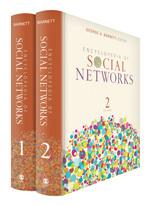
Provides an authoritative reference entry on Facebook for scholars and students across disciplines, contextualizing the platform within social network theory. Encyclopedia entries serve a distinct pedagogical function, as they establish shared vocabulary and conceptual baselines for interdisciplinary audiences.
Also in: platforms and power

Serves as the entry point for social researchers encountering online network analysis for the first time, translating technical concepts into accessible methodology. By appearing in a widely-used methods handbook, it ensures that social network analysis is understood as a standard tool in the online research toolkit rather than a specialist technique.
Also in: methods and tools

An early reference work entry that helped establish the "internet in everyday life" framing for a broad audience, moving beyond the techno-utopian/dystopian binary of early internet studies. Provides accessible conceptual tools for researchers and students encountering internet studies for the first time.
Also in: networks as epistemology